
If you are looking for re-engagement email subject lines, the real problem usually starts earlier: a list has gone quiet, every send feels a bit pointless and deliverability can start slipping while nothing gets touched. A silent list is not neutral, it tends to decay. The first half of that lifecycle — the part that decides who even sticks around — is covered in the welcome email subject lines playbook; this post handles what happens when the welcome wears off.
Most operators get the win-back versus delete decision wrong. They either keep sending soft check-ins to people who are done, or they cut too fast without testing whether a better subject line and a clearer angle could pull attention back.
Below, the 40+ subject lines are grouped by angle, not by brand or industry. You will also get when to send them, when to stop trying, when to delete or suppress contacts and the deliverability math that sits behind the decision. If you would rather see it grouped by vertical, the past-client anniversary and expired-listing emails in our real estate email templates apply the same win-back logic to one industry.
TL;DR: the best re-engagement subject lines by use case
The best re-engagement email subject line depends on how cold the list is and what action you actually want.
- For 30-60 days inactive: “Still interested?”
- For 90+ days inactive: “A quick update you might have missed”
- For abandoned cart / stalled trial: “Any questions before you finish?”
- For final cleanup before delete: “Do you still want these emails?”
- For e-commerce with an offer: “A little something to come back”
- For B2B SaaS / services: “Worth picking this back up?”
How we picked these subject lines
These are the criteria every subject line below is judged against, and the same criteria apply to the later calls on when to send again and when to delete or suppress a contact. The point is not to be clever, it is to send lines that still have a reason to be opened.
Relevance to the inactive segment
A re-engagement line works best when it matches why the subscriber joined your list in the first place. Someone who signed up for product updates, cart reminders or educational content should see that original intent echoed in the subject line.
This is why the examples below are grouped by angle. The right angle depends on what the contact used to care about, not just how long they have been inactive.
Length and mobile readability
Shorter subject lines tend to hold up better on mobile, where truncation happens fast. As a working rule, staying under about 50 characters where possible keeps the main idea visible.
That does not mean every line must be ultra-short. It means the most important words need to appear early, before the inbox cuts them off.
Clarity over cleverness
Clarity beats clickbait here because this audience has already ignored you once. If the line is vague, overly witty or trying too hard to create intrigue, it usually adds friction instead of earning the open.
A clear subject tells the reader what this email is about and why it may matter now. That is a better trade than a clever line with no obvious payoff.
Honest urgency, not fake scarcity
Urgency only works when the deadline is real. A sunset date, expiring access or final preference check can justify direct language, but invented countdown energy usually reads cheap.
This matters even more in win-back emails. If the contact senses the urgency is fake, the subject line fails twice: it loses trust and weakens the case for keeping them on the list.
Match between subject and email body
The subject line and the body need to make the same promise. If the subject suggests an update, offer or final choice, the email itself needs to deliver that exact thing quickly.
That match protects trust and supports deliverability over time. The same logic shows up across the 2026 email marketing benchmarks: sender reputation now rides on rolling engagement, not on one isolated campaign.
40+ re-engagement email subject lines, grouped by angle
Soft check-in lines (30-60 days inactive)
This angle fits mildly inactive subscribers who may just need a low-pressure reason to look again.
- “It’s been a while”
- “Still want to hear from us?”
- “Just checking in”
- “Still interested, [First Name]?”
- “Wanted to put this back on your radar”
Curiosity-driven lines
This angle works when you have a real update, shift or reason to spark a second look.
- “Something changed since your last visit”
- “Before you go”
- “We saved something for you”
- “Thought of you because of this”
- “You might want to see this”
Value and benefit-led lines
This angle fits subscribers who signed up for a clear outcome, update or practical gain.
- “Your next [outcome] is waiting”
- “A simpler way to [desired result]”
- “What you came here for, now updated”
- “A better way to get [result]”
- “Your [benefit] starts here”
Question-based lines
This angle is useful when you want the line to feel human and lower-friction.
- “Did we miss something?”
- “Still working on this?”
- “Want to pick this back up?”
- “Was this still on your list?”
- “Anything holding you back?”
FOMO and ‘what you missed’ lines
This angle suits newsletters, product updates and content-led sends with real recent changes.
- “Here’s what you missed in [month]”
- “A few things changed”
- “You missed our latest update”
- “Since you’ve been away”
- “What changed at [Brand]“
Incentive and offer lines
This angle works best when the offer is real and the inactive segment still has buying intent.
- “Come back for [X% off]”
- “A little something if you’re still interested”
- “Your return offer is inside”
- “Still thinking it over? Here’s [offer]”
- “An offer worth opening”
Personalized and anniversary lines
This angle fits brands with first-party data, milestones or known subscriber context.
- “[First Name], your [thing] is ready”
- “[First Name], we picked this for you”
- “It’s been a year with [Brand]”
- “[First Name], this is back in stock”
- “A quick note for you, [First Name]“
Urgency and expiring-access lines
This angle only works when the deadline or access window is real.
- “Your access expires in 7 days”
- “Last day to keep your access”
- “Your offer ends soon”
- “Final reminder before this closes”
- “This goes away on [date]“
Preference-update lines
This angle is strong when you want to keep good subscribers without forcing full unsubscribe.
- “Want fewer emails?”
- “Tell us what you want to get”
- “Update your email preferences”
- “Still interested, just less often?”
- “Choose what lands in your inbox”
Final opt-in / breakup lines
This angle fits cleanup sends when you need a clear yes-or-no before suppressing or deleting.
- “Do you still want these emails?”
- “Should we stop emailing you?”
- “Is this goodbye?”
- “Last call to stay on the list”
- “We’ll remove you unless you say yes”
Re-engagement subject line comparison table
This table compares the 10 main re-engagement angles on the same decision points, so you can match the line to list temperature and intent faster. Use it as a shortcut, then pressure-test the pick against relevance, clarity and the actual email body.
| Angle | Best for | Inactivity window | Example subject line | Main risk |
|---|---|---|---|---|
| Soft check-in | Warm lists, light inactivity | 30-60 days | It’s been a while | Too gentle for cold lists |
| Curiosity-driven | Real updates, colder attention | 60-90 days | Something changed since your last visit | Open without real intent |
| Value and benefit-led | Outcome-focused subscribers | 60-90 days | Your next [outcome] is waiting | Feels generic if vague |
| Question-based | Reply-driven reactivation | 30-90 days | Did we miss something? | Weak if no reply path |
| FOMO and what you missed | Newsletters, product updates | 60-90 days | Here’s what you missed in [month] | Falls flat without updates |
| Incentive and offer | E-commerce, purchase intent | 60-120 days | Come back for [X% off] | Trains discount waiting |
| Personalized and anniversary | Known context, first-party data | 30-120 days | [First Name], your [thing] is ready | Feels forced if data weak |
| Urgency and expiring access | Real deadlines, access windows | 90-120 days | Your access expires in 7 days | Cheap if urgency is fake |
| Preference-update | Retention before unsubscribe | 90-120 days | Want fewer emails? | Lower clicks if options unclear |
| Final opt-in | List cleanup before delete | 120+ days | Last email from us unless you reply | Hurts opens, protects deliverability |
Win-back vs delete: the decision most operators get wrong
Why the default ‘clean every 3-6 months’ rule isn’t enough
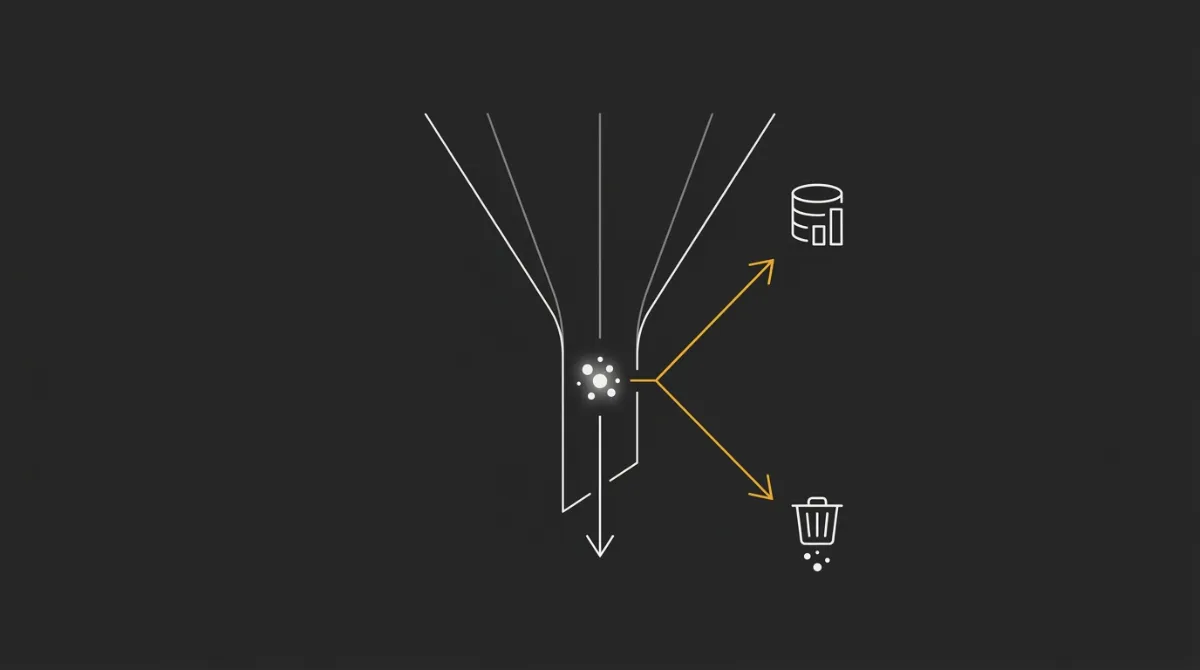
The usual clean-every-3-to-6-months advice exists because ESPs punish low engagement, not because list hygiene is somehow virtuous on its own. A dead segment drags down the performance signals your active segment sends, which means the real cost is inbox placement, not just a messy contact list. The rule gets repeated because it is directionally useful, but it skips the part that matters: how often you send, who engaged before and whether the subscriber still has a believable reason to care. Treat it as a deliverability rule, not a ritual.
90-day vs 180-day cutoffs: which fits your sending cadence
A 90-day cutoff usually fits brands sending at least weekly, because a subscriber has had plenty of chances to open and click by then. A 180-day cutoff makes more sense for monthly senders, where fewer sends means fewer data points and a slower path to calling someone inactive. Once you are beyond 180 days without opens, most subscribers are dead weight unless there is a strong prior signal that they used to care. The cutoff should reflect send frequency, not a generic internet rule.
The list hygiene math behind the call
The math is simple enough to make the decision less emotional. If 30% of your list has not opened in 6 months and that inactive block drags your overall open rate from 35% to 22%, inbox placement on the active 70% can suffer too. In other words, the dormant group is not just failing to respond, it is weakening the sends that still make money. That is why re-engagement should be judged on clicks, replies and renewed activity, not just a temporary lift in opens.
When a subscriber is worth winning back
Win-back is worth the effort when the subscriber has shown real intent before. If they have opened repeatedly, clicked more than once, replied, purchased or converted in the past, there is an actual case for tailored re-engagement rather than immediate suppression. These are the contacts where angle, timing and subject line quality can still change the outcome. A warm history buys them another shot.
When deleting is the right move
Delete or suppress when the contact came in through a lead magnet, never opened and has already seen 5 or more re-engagement attempts. At that point, you are not protecting revenue, you are protecting the illusion of list size. Keeping people who never showed intent is usually bad math and worse deliverability practice. If you are running a smaller list, the under-1000-subscriber segmentation playbook covers a simpler version of the same call: send one or two honest re-engagement emails, then cut.
The win-back sequence that earns the open
A single re-engagement email rarely does the job. A tighter 3 to 4 email sequence sent over 21 to 30 days gives you room to test angle, rebuild relevance and make a cleaner delete decision if nothing moves.

Email 1: soft check-in (day 0)
Start with the lowest-friction angle. A soft check-in line like “Still want to hear from us?” or “It’s been a while” works because it asks for attention without pretending something dramatic happened.
The body’s job is to remind the reader why they signed up and give them one simple next step. Keep it short, specific and tied to the original topic, not a generic welcome-back message.
Email 2: value or ‘what you missed’ (day 5-7)
If email one gets ignored, move to a clearer reason to care. Use a value and benefit-led line like “Your next [outcome] is waiting” or a FOMO line like “Here’s what you missed in [month].”
The body now needs to earn the subject with something concrete: a new resource, update, product change or useful summary. This step is about relevance, not pressure.
Email 3: incentive or feedback ask (day 12-14)
By the third send, you need a sharper hook. For commerce, that can be an incentive line like “Come back for [X% off],” and for services or B2B, a question-based line like “Did we miss something?” can work better.
The body should do one thing well. Either present a real offer with a clear deadline, or ask for a quick reply that explains what stopped them.
Email 4: final opt-in before delete (day 21-30)
The last email is not a softer version of the first three. Use a final opt-in line such as “Do you still want these emails?” or “Is this goodbye?” and make the decision explicit.
The body’s job is to offer a clean yes-or-no path. Stay subscribed, update preferences or do nothing and get removed.
Matching the subject line to each step
The sequence works because each step changes angle instead of repeating the same ask four times. In practice, that usually means soft check-in first, then value or what-you-missed, then incentive or feedback ask, then final opt-in.
That progression protects trust and makes the later delete decision easier to justify. The same logic shows up in the three-flow system for solopreneurs — welcome, nurture and reactivation flows do more work than irregular broadcasts, and a re-engagement sequence is the cleanest version of that third flow. Those same welcome, nurture and reactivation pieces can be drafted as one planned arc with an AI email sequence generator that exports ready for your ESP.
How to choose the right re-engagement subject line for your list

Start with how cold the segment is
How long the segment has been inactive should decide the angle before you write anything. For 30 to 60 days, softer lines usually fit best, for 90 days and up, curiosity or value tends to earn more attention and for 120 days and beyond, direct opt-in lines are usually cleaner.
Match the line to the action you want
Pick the subject line based on the action you want after the open. If you want a reply, use a question line, if you want a purchase, use an incentive line and if you are cleaning the list, use a breakup or final opt-in line.
Test two angles, not five
Testing five subject lines on a small inactive segment usually gives you noise, not a decision. Two clean angles are enough, for example soft check-in versus value, or curiosity versus direct opt-in.
Watch the body match the promise
The subject line makes a promise, and the first lines of the email need to cash it immediately. If the subject offers a discount, lead with the discount, because when the message and the promise drift apart, trust drops and the next send is more likely to get filtered.
Once the subject is doing its job, the next bottleneck is usually the template the email lives in. If your win-back sequence still looks like a default ESP layout, the open does not become a click — so generate your own production-ready win-back template in the EmailTemple studio for free.
Frequently asked questions
How long should a re-engagement email subject line be?
Aim for under 50 characters when you can, which usually means about 6 to 10 words. That keeps the main idea visible on mobile and forces you to lead with the part that matters.
Shorter is not automatically better if it becomes vague. A clear 8-word line usually beats a cryptic 3-word line that the body cannot support.
Do emojis help in re-engagement subject lines?
Sometimes, yes, but they are not a default win. Emojis can lift attention for some consumer audiences, but they can also look cheap, noisy or off-brand if the sender voice is more restrained.
The safer rule is to let brand voice decide. If your emails are plain and direct everywhere else, adding emoji just for re-engagement usually feels forced.
How many re-engagement emails should I send before deleting a subscriber?
For most lists, 3 to 4 re-engagement emails over 21 to 30 days is enough. After that, if the subscriber still has not opened, clicked or replied, keeping them usually hurts more than it helps.
The exception is a contact with strong prior intent, such as someone who purchased or engaged repeatedly before going quiet. Those subscribers may deserve a more tailored win-back before suppression.
Is it better to offer a discount or ask a question?
It depends on the audience and the action you want next. Discount lines usually fit e-commerce better, while question-based lines tend to fit B2B, services and feedback-led reactivation better.
Pick the subject line by use case, not personal preference. If the goal is a reply, ask a question, and if the goal is a purchase, lead with the offer.
Does personalization in the subject line actually lift open rates?
Yes, but the type of personalization matters. Using a first name can help a little, but personalization tied to past behavior, prior interest or a known product context is usually more convincing.
That is because behavior-based relevance feels earned. First-name personalization alone can also feel like a trick if nothing else in the email is specific.
Should I send re-engagement emails from a person or the brand?
A person’s from-name usually performs better for win-back emails. It feels more direct and more human, especially when the subject line is question-based or framed as a check-in.
That does not mean the brand name is wrong. If your audience expects branded sends and the body is clearly from the company, consistency can matter more than forcing a fake personal tone.
Will sending to inactive subscribers hurt my deliverability?
Yes, sending repeatedly to fully cold subscribers without segmentation can hurt deliverability. Low engagement from that group can weaken inbox placement for the active part of your list too.
That is why a re-engagement sequence should end in a delete or suppress decision. The goal is not to keep every address forever, it is to protect the subscribers who still want your emails.